Housekeeping
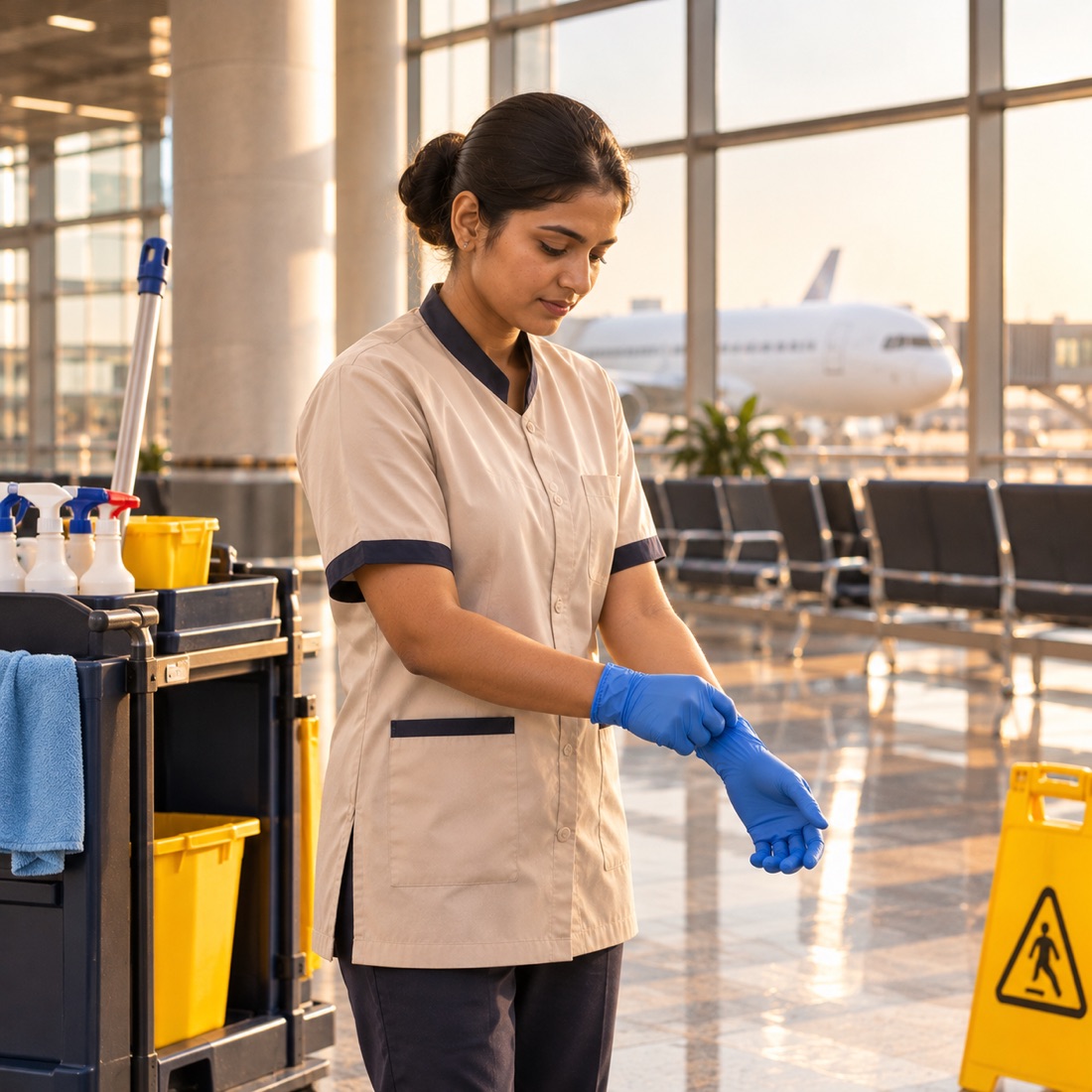
Clean, orderly and hazard-free terminals — the foundation of a safe and welcoming airport.
Keeping airports clean, safe and welcoming
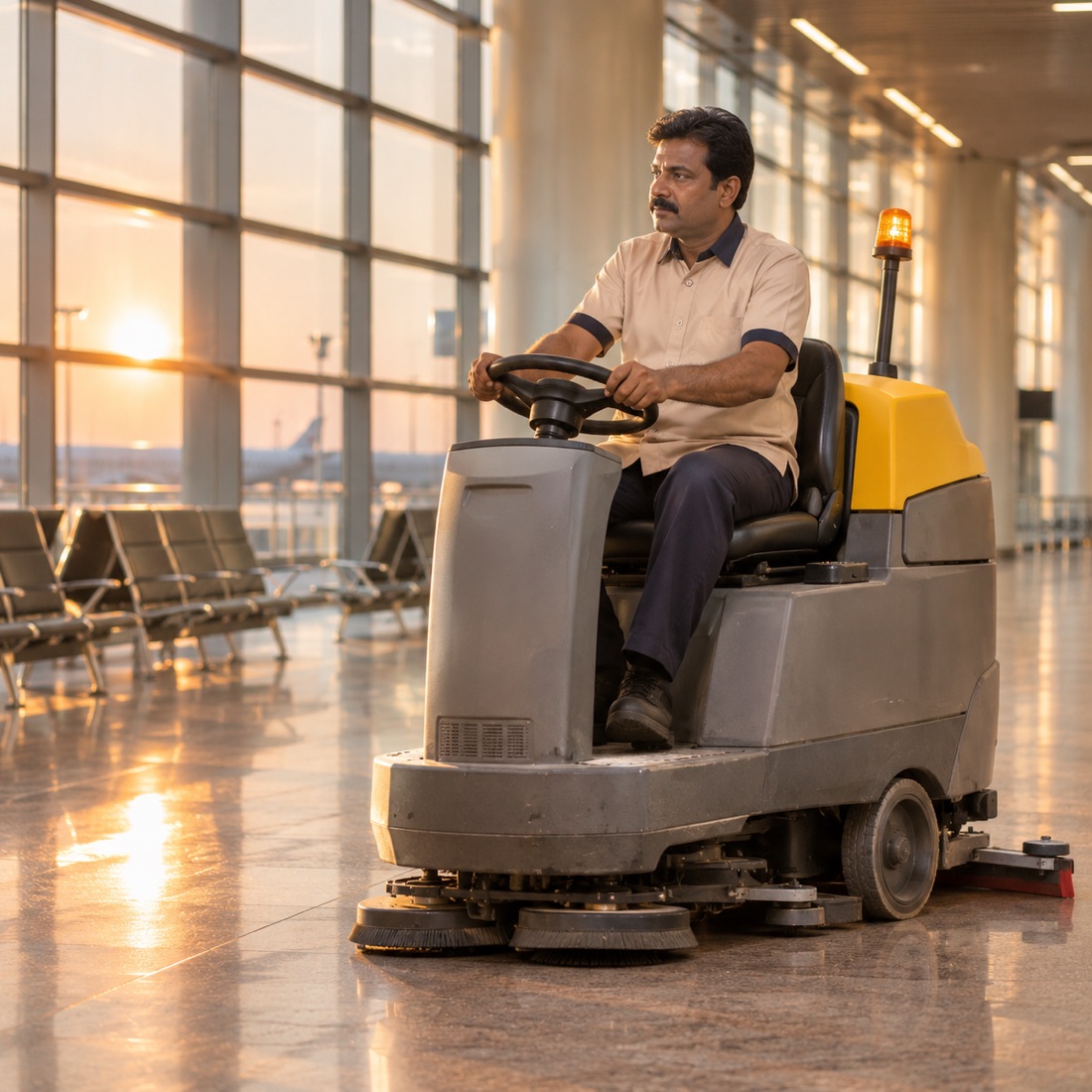
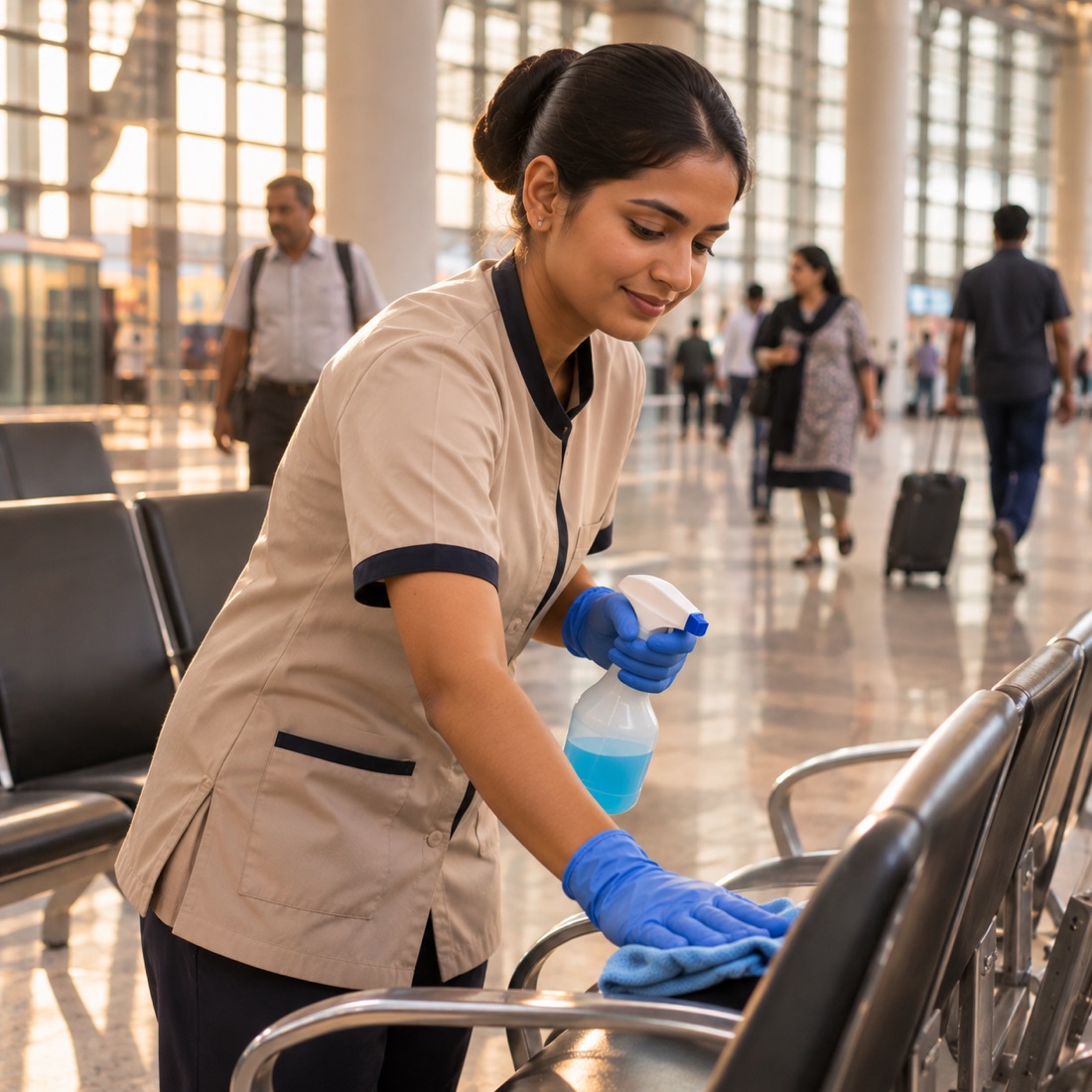
Housekeeping includes maintaining clean, orderly work places, keeping hallways and floors clear of trip hazards, and eliminating waste (paper, cardboard and other fire dangers) from work areas. It also necessitates paying attention to crucial particulars, including the design of the entire workspace, aisle marking, the suitability of storage options, and upkeep. A fundamental component of accident and fire prevention is good housekeeping. Proper housekeeping is a continuous process; it is not a spotty clean-up carried out sporadically. Cleaning up in a “panic” is expensive and ineffectual at lowering accidents.
Effective results
Health and safety compliance
How can a health and safety compliance audit help with poor housekeeping? Employers can discover areas of poor housekeeping in the workplace and take action to address them by performing a health and safety compliance audit. For instance, an inspector may notice during an audit that a workspace is congested, obstructing emergency exits or causing trip risks. It may also discover that tools or machinery are not kept up properly and produce dust or other airborne contaminants. Employers can take steps to eliminate these dangers and make the work environment safer for employees by detecting them during an audit.
The audit can aid management in identifying the areas that need the most cleaning and upkeep and in setting priorities for such areas. Compliance audits also assist organisations in maintaining compliance with safety laws, lowering the possibility of fines and penalties for non-compliance. Overall, by detecting and eliminating hazards and making sure the workplace complies with pertinent rules, a health and safety compliance audit can help improve poor housekeeping.